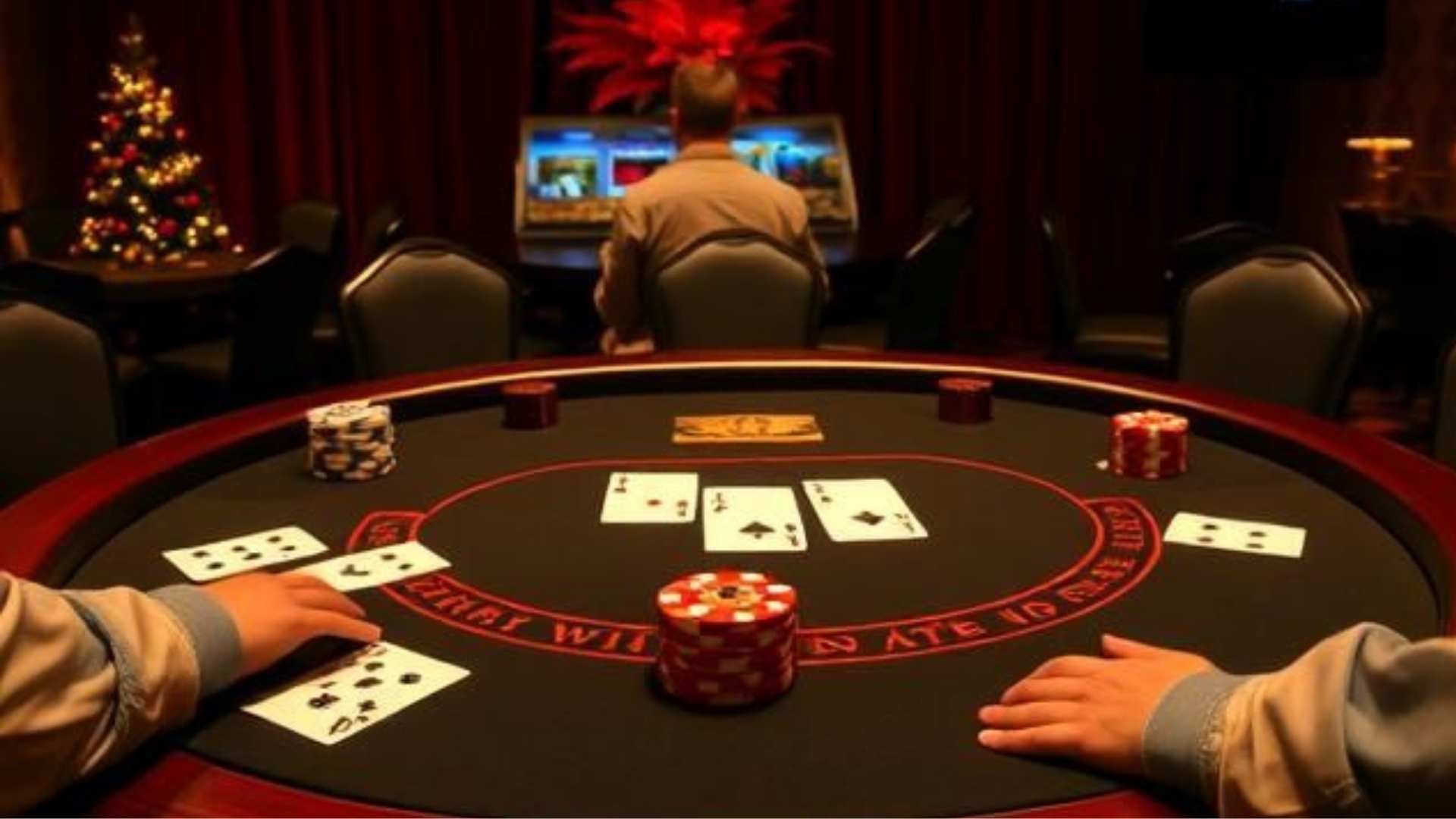
In the realm of competitive leisure, table games have long served as the ultimate testing ground for strategic thinkers. Unlike experiences that rely purely on luck or rapid physical reflexes, these tabletop pursuits demand a high level of mental discipline and forward planning. Achieving tactical excellence in this field requires players to master the delicate balance between risk management and psychological observation.
The Core of Tactical Decision Making
Every move on a strategic game board or card table represents a calculated decision that can shift the entire balance of play. Successful players do not merely react to the current state of the board; they actively anticipate their opponents' future choices several steps in advance. This depth of planning is what separates casual participants from those who consistently achieve high-level results.
Furthermore, tactical excellence is built on a solid foundation of mathematical probability and situational awareness. Understanding the exact odds of any given outcome allows you to make informed wagers and minimize unnecessary vulnerabilities. Over time, this analytical approach transforms raw intuition into a structured formula for long-term success.
Developing a Mindset for Success
Cultivating the right mental attitude is just as critical as mastering the technical rules of your chosen tabletop pursuit. Elite players train themselves to remain calm under pressure, ensuring that temporary setbacks do not lead to emotional or reckless decisions. This emotional discipline is crucial for maintaining a consistent strategy throughout long and complex sessions.
For those looking to refine their skills and test their tactics on a reliable digital platform, visiting M88 offers an excellent space to explore various challenging options. Practicing in a structured environment helps players recognize common behavioral patterns and adapt their styles to different opponents. Regular study and deliberate practice remain the most effective tools for sharpening your strategic instincts.
The Role of Information Gathering
In highly competitive environments, information is the most valuable currency a player can possess. Observing how your opponents react to specific pressure points can reveal subtle patterns in their decision-making processes. By identifying these tendencies, you can customize your approach to exploit their weaknesses while protecting your own assets.
Additionally, tactical flexibility is essential when facing unpredictable variables or highly skilled competitors. Rigid adherence to a single game plan often leads to failure when the dynamics of the table shift unexpectedly. Learning when to pivot your strategy is a hallmark of true mastery in any competitive tabletop discipline.
Achieving Long-Term Mastery
Ultimately, reaching a level of tactical excellence is an ongoing journey of learning, adaptation, and self-reflection. Analyzing your past performances, both wins and losses, provides invaluable insights that help you refine your overall approach. By focusing on continuous improvement rather than short-term outcomes, you build a sustainable foundation for competitive success.
Engaging with complex tabletop systems is not only a source of rich entertainment but also an excellent workout for the mind. The cognitive skills developed through these activities often translate into improved decision-making capabilities in everyday life. Embracing the challenge of these intellectual pursuits ensures that every session is both rewarding and intellectually stimulating.