Why Proper Spacing Prevents Multi Unit Crowd Control Chains

Why Proper Spacing Prevents Multi Unit Crowd Control Chains
Read MoreThe Last of Us Quarantine Zone Story Location Explained

The Last of Us Quarantine Zone Story Location Explained
The post-apocalyptic world of The Last of Us presents a grim reality where humanity struggles to survive under the oppressive rule of wartime remnants. Following the devastating Cordyceps outbreak, major cities across the United States were transformed into heavily fortified settlements known as Quarantine Zones. Understanding how these locations function and where they are placed provides deep insight into the narrative structure of the game and television adaptation.
The Purpose of Military Enclaves
When the initial Cordyceps brain infection reached critical levels, the United States government declared martial law and surrendered control to the Federal Disaster Response Agency. This military dictatorship quickly established secure zones to separate the healthy population from the growing infected threat lurking outside. Giant concrete walls, armed checkpoints, and strict rationing systems defined daily life for the citizens trapped inside these grim compounds.
While these sanctuaries were built to guarantee physical protection, the internal conditions quickly degenerated due to supply shortages and severe martial restrictions. Citizens faced harsh punishments for minor infractions, which eventually sparked major civil unrest across multiple territories. The balance between total control and human survival became the defining conflict within these crowded concrete fortresses.
The Core Focus on the Boston QZ
The journey of Joel and Ellie begins in the Boston Quarantine Zone, which serves as one of the last fully functional military strongholds in the country. Located primarily around the North End neighborhood, this zone highlights the bleak day-to-day survival of the remaining urban population. Players witness a highly stratified society where smugglers trade contraband beneath the watchful eyes of heavily armed soldiers.
Navigating through the Boston area reveals how specialized infrastructure was repurposed to support military operations and civilian processing centers. The local geography, including the historic harbor structures and underground subway tunnels, allowed authorities to maintain a tight perimeter for over two decades. This specific setting perfectly establishes the gritty atmosphere and high stakes that drive the foundational plot forward.
Abandoned Strongholds Across the Nation
As the narrative expands, players discover that many major quarantine zones failed to withstand the dual pressures of internal rebellions and external infected hordes. In cities like Pittsburgh and Seattle, the local population revolted against military rule, leading to the absolute collapse of institutional order. These fallen zones were subsequently reclaimed by nature or taken over by aggressive faction groups.
Exploring these abandoned ruins offers a fascinating historical perspective on how different regions attempted to handle the apocalyptic pressure. Every empty checkpoint and decayed fortification tells a silent story of desperate defensive strategies that ultimately proved useless against time. These locations reinforce the idea that absolute isolation was never a permanent solution for human civilization.
The Ultimate Legacy of Civil Isolation
The story locations in this universe serve as more than just physical backdrops for intense combat encounters. They represent the systemic failure of old-world institutions attempting to preserve authority through fear and restriction rather than community cooperation. By contrasting active zones with overgrown ruins, the narrative emphasizes how humanity must evolve beyond concrete walls to truly survive.
Ultimately, analyzing these quarantine zones reveals the complex political landscape that shapes every character motivation across the franchise. Whether studying the operational efficiency of Boston or the chaotic aftermath of fallen territories, these locations remain central to the enduring lore of this masterpiece. Their haunting design continues to captivate audiences by showing a realistic interpretation of societal collapse.
7 Days to Die Challenges and How to Complete Them

7 Days to Die Challenges and How to Complete Them
The sandbox survival experience of 7 Days to Die has captivated players for years with its intense blend of tower defense, resource gathering, and brutal zombie combat. While the core game loop presents a significant learning curve on its own, veteran survivors frequently seek out community-driven limitations and structured scenarios to push their tactical skills to the limit. Understanding how to approach these grueling milestones allows players to experience the post-apocalyptic world of Navezgane from entirely new perspectives.
Mastering the True Nomad Journey
Stepping away from permanent fortifications changes the dynamic of the apocalypse completely. In a nomadic run, players are strictly prohibited from building base structures or placing permanent land claim blocks, forcing them to live entirely out of their inventories. Survival hinges on mastering mobile inventory management and utilizing points of interest as temporary overnight shelters before moving to the next biome.
To successfully complete this trial, players must prioritize crafting localized modifications like pocket armor attachments to maximize carrying capacity without incurring movement penalties. Utilizing a bicycle or motorcycle early becomes mandatory to outrun sudden wandering hordes during daytime exploration. Relying heavily on high-tier loot locations ensures you remain stocked on canned goods and ammunition without needing traditional storage chests.
The Hardcore One Life Challenge
Permadeath completely removes the safety net from the unforgiving environment, transforming every mistake into a definitive end to the campaign. Under these settings, minor oversights like stepping on a landmine or contracting an untreated infection carry massive weight. The psychological tension forces players to abandon aggressive tactics in favor of methodical planning and structural stealth.
Conquering this milestone requires a deep understanding of zombie pathfinding mechanics and point-of-interest layouts. Survivors should always establish multiple clear emergency exits before clearing out dark buildings or retrieving high-value supply drops. Investing heavily into agility and stamina attributes ensures that when a situation deteriorates, you possess the raw physical capability to retreat safely.
Surviving the Brawler Combat Trial
Restricting your defensive capabilities to short-range melee weapons completely eliminates the comfort of picking off enemies from afar. This specific trial requires players to face terrifying mutated beasts and radioactive undead without using traditional firearms or advanced archery. Every encounter becomes a delicate dance of stamina management, spacing, and precise timing.
Success in close-quarters combat dictates that players maximize fortitude attributes and acquire heavy steel armor as early as possible. Utilizing standard status-inflicting items like spiked knuckles allows you to inflict bleed effects while constantly managing your defensive positioning. Creating minor tactical choke points, such as narrow doorways or elevated wood frames, helps prevent multiple targets from surrounding you at once.
The Infinite Night Horde Scenario
Altering the world settings to enforce permanent darkness completely flips the traditional resource-gathering cycle on its head. With zombies perpetually running at maximum speed, finding the time to safely mine resources or trade with merchants becomes an extraordinary logistical puzzle. Base defenses must be operational immediately, requiring constant maintenance under fire.
Overcoming this relentless setting requires building highly efficient trap networks that automate damage dealer roles without constant player intervention. Prioritizing electrical engineering permits the installation of blade traps and electric fences that slow down massive waves effectively. Efficiently utilizing day cycles to scavenge nearby vehicle parts ensures you can keep generators fueled despite constant operational strain.
Somber Smithing Bell Bearing 1 Location and Unlock Requirements

Somber Smithing Bell Bearing 1 Location and Unlock Requirements
Upgrading unique weaponry in Elden Ring requires a specialized material known as Somber Smithing Stones, which can initially be scarce during early exploration. Finding the Somberstone Miner's Bell Bearing 1 allows players to purchase an infinite supply of these essential upgrades directly from the Twin Maiden Husks at Roundtable Hold. This guide outlines the exact coordinates and combat requirements needed to claim this vital progression item.
The Hidden Location of Sellia Crystal Tunnel
The sought-after inventory item is located deep within the hazardous region of Caelid, specifically inside the treacherous Sellia Crystal Tunnel. Unprepared players often find themselves transported here unexpectedly via a trapped treasure chest found in the Dragon-Burnt Ruins of Limgrave. For those traveling by foot, the tunnel entrance sits directly north of the Swamp of Aeonia beneath the towering scarlet cliffs.
Navigating the interior of the mine requires caution due to the aggressive glintstone miners and powerful pests guarding the narrow wooden pathways. Dedicated adventurers should focus on descending to the lowest cavern levels where the crystal structures intersect. Resting at the nearby site of grace ensures a reliable respawn point before engaging in the final challenge.
Defeating the Fallingstar Beast Challenge
The primary barrier to unlocking the merchant shop extension is a mandatory boss encounter against the formidable Fallingstar Beast. This aggressive creature occupies a cramped subterranean arena that severely limits your ability to safely maneuver. It utilizes rapid charge attacks, sweeping tail strikes, and devastating gravity magic to overwhelm intruders quickly.
Surviving this brutal engagement demands extreme patience and an understanding of the monster's heavy physical telegraphs. Utilizing high-stability shields or mastering precise dodge rolls will expose the creature's vulnerable head for impactful counterattacks. Once you successfully deplete its massive health pool, the boss will drop the coveted bell bearing alongside valuable crafting resources.
Unlock Requirements and Merchant Integration
Unlike other late-game key items, there are no strict level caps or narrative milestones required to access this upgrade path. Your primary objective is simply surviving the journey to Caelid and defeating the subterranean guardian at the end of the dungeon. After successfully acquiring the artifact, you must return to the safety of the Roundtable Hold sanctuary.
Presenting the item to the Twin Maiden Husks immediately expands their permanent trading stock for the remainder of your playthrough. This excellent mechanic eliminates the tedious necessity of hunting down individual environmental deposits scattered across the Lands Between. It provides a reliable baseline for testing new weapon builds without wasting rare open-world discoveries.
Maximizing Your Newly Unlocked Resources
Once the item is properly registered, the maidens will offer infinite quantities of Somber Smithing Stones of tier one and tier two. These specific tiers are absolutely necessary for reinforcing unique armaments up to a plus two enhancement level. Purchasing these items requires a steady influx of regular runes gathered from standard combat activities.
This automated supply system significantly streamlines your early to mid-game character progression. It allows you to quickly elevate newly discovered boss weapons to a competitive performance standard. Consequently, players can confidently adapt to shifting gameplay challenges without worrying about resource scarcity.
Why Randomized Rewards Add Variety To Game Sessions

Why Randomized Rewards Add Variety To Game Sessions
Modern game development relies heavily on sustaining long-term player engagement by introducing elements that disrupt standard gameplay patterns. Among the various design choices available, randomized distribution loops have proven highly effective at generating unpredictable moments within virtual environments. This analysis looks at how arbitrary prize loops inject fresh energy into daily player routines and protect active communities from early fatigue.
The Psychological Engine of Unexpected Milestones
Human immersion flourishes when standard tasks are broken up by unpredictable shifts in feedback. When an interactive platform delivers unexpected outcomes, it triggers a heightened sense of alertness that fixed systems cannot replicate. Behavioral experts note that these variable drops keep players mentally invested because the next breakthrough remains uncertain.
This distinct separation from repetitive routines shifts standard progression into a highly dynamic journey. Many modern digital entertainment spaces, such as platforms monitored via keonhacai.com m88, use these specialized systems to keep their active player bases thoroughly entertained. The constant sense of anticipation ensures that regular gameplay milestones continue to feel rewarding over extended periods.
Breaking the Monotony of Fixed Progression Schedules
Linear leveling models offer clear structural transparency but can eventually result in automated play behavior. When participants understand exactly how many points are needed to unlock a specific item, the underlying activity can start to feel like routine labor. Introducing an arbitrary variance element ensures that standard milestones remain highly engaging.
These unexpected distribution shifts force players to re-evaluate their strategic approach in real time. Instead of executing the exact same commands during every operational round, individuals must adapt to the rare gear or unique assets they suddenly receive. This structural shift transforms repetitive campaigns into unique adventures that feel distinctly different each time.
Fostering Shared Moments and Inclusive Community Dynamics
Randomized incentives serve a dual purpose by satisfying individual participants while simultaneously driving collective social engagement. When a digital system grants an unusual token to a casual player, it creates an exciting milestone that is frequently shared across community platforms. This organic word-of-mouth visibility elevates the baseline enthusiasm of the entire interactive ecosystem.
Furthermore, these sudden drops help level the playing field for participants who possess variable schedules. Traditional progression structures frequently favor users who can dedicate extensive hours to accumulating resources. Arbitrary distribution paths ensure that even casual enthusiasts stand a realistic chance of securing impactful bonuses, boosting overall community loyalty.
Recognizing Responsible Habits At The Card Table

Recognizing Responsible Habits At The Card Table
Engaging in card games offers an excellent blend of strategic depth, psychological focus, and social entertainment. While tracking point distributions and understanding table positions remain vital for a successful session, cultivating structured self-awareness is equally foundational. Developing sustainable routines around the gaming floor ensures that the experience remains both highly competitive and intellectually fulfilling over the long term.
The Psychology of Self Regulation
True discipline at the card table begins with recognizing internal emotional transitions before they impact strategic choices. Analytical players frequently monitor their reactions to unexpected distributions to maintain a logical approach throughout a session. This active self-regulation helps prevent impulsive reactions and preserves tactical consistency during high-stakes moments.
Furthermore, setting strict limits on time and resources reinforces a reliable framework for decision-making. By establishing clear operational boundaries before sitting down, enthusiasts protect their engagement from becoming emotionally draining. This practice transforms casual card play into a sustainable pursuit built around deliberate skill and patience.
Evaluating Environmental Trends and Pacing
Every traditional card room possesses a distinct behavioral rhythm that observant participants analyze to protect their strategy. Observing how table dynamics shift over multiple rounds allows analytical minds to adapt without losing their emotional balance. Recognizing the difference between a calculated risk and a speculative choice is essential for long-term growth.
Modern digital platforms have streamlined these tracking procedures, allowing players to practice their skills in a secure environment. Enthusiasts who prefer online configurations often look toward a trustworthy hub like m88 central to explore standard table variations. This automated access provides a consistent structure where players can refine their personal boundaries alongside software-assisted pacing mechanics.
The Longevity of Mindful Engagement
Prioritizing balanced habits ensures that table entertainment remains an asset rather than a distraction in everyday life. Taking regular breaks between sessions helps restore mental clarity and keeps analytical focus sharp for upcoming distributions. This calculated distance allows enthusiasts to review past outcomes with absolute objectivity.
Ultimately, recognizing responsible habits reminds players that card games are structured exercises in probability and patience. By prioritizing disciplined execution over rapid, unpredictable results, participants maintain total authority over their gaming experience. Embracing this balanced perspective enriches the heritage of traditional table play for generations to come.
The Mathematics Of Long Term Results From Repeated Spins
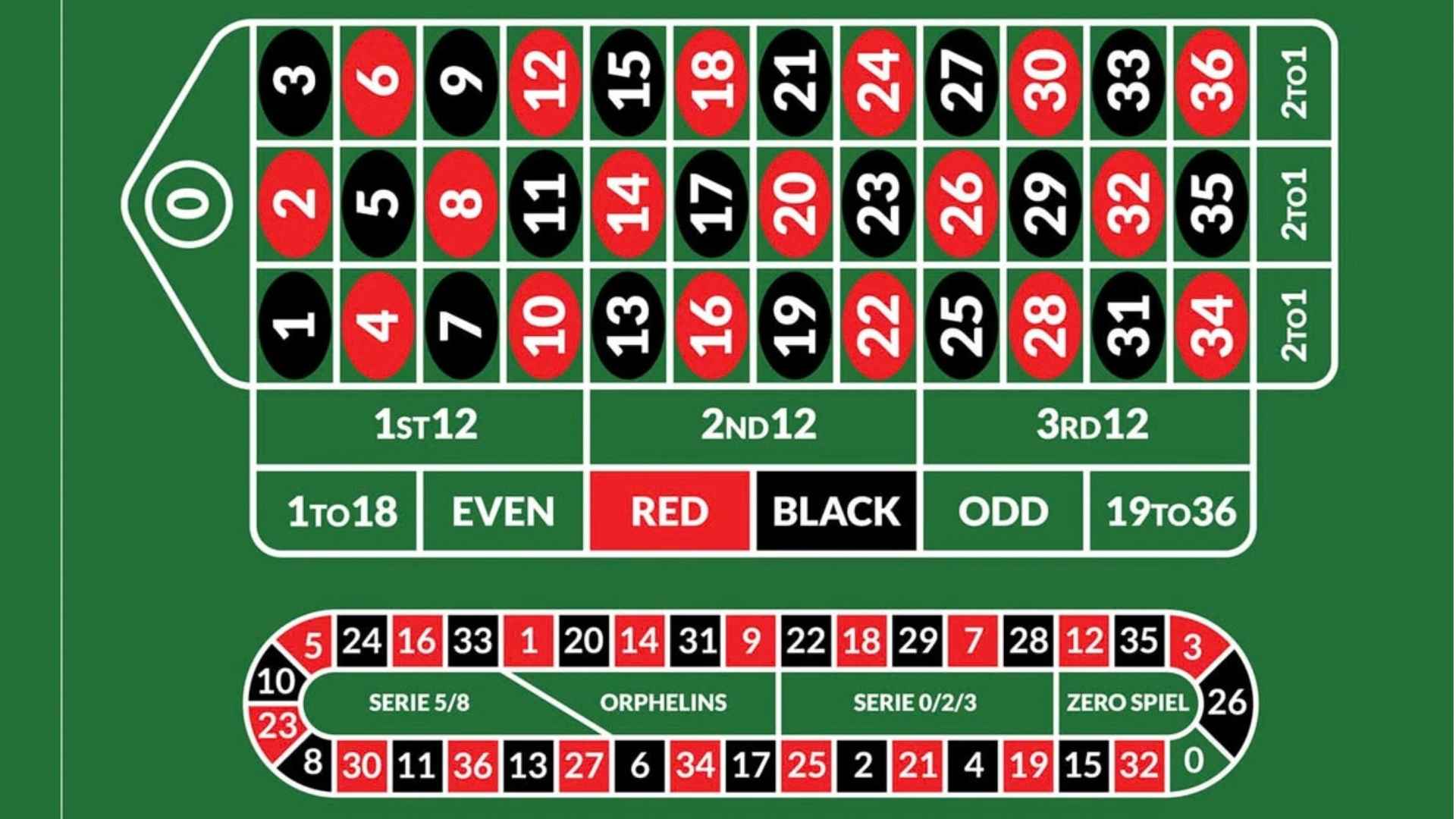
The Mathematics Of Long Term Results From Repeated Spins
When observing a single turn of a randomized wheel, the outcome appears entirely unpredictable and governed by pure luck. However, tracking the outcomes across hundreds or thousands of consecutive events reveals a fascinating transition from chaos to order. Mathematics provides the precise framework needed to understand how individual random events eventually smooth out into predictable long-term distribution patterns.
The Law of Large Numbers in Action
The core principle governing repeated randomized trials is known in statistics as the Law of Large Numbers. This mathematical theorem dictates that as the number of independent spins increases, the actual observed results will move closer to the theoretical probability. For instance, a small sample might show an unusual streak of a single color, but an extended data set inevitably balances out.
This stabilization means that short-term volatility eventually gives way to statistical certainty over time. Understanding this concept helps observers realize that individual anomalies carry less weight in a large data pool. The math guarantees that true randomness adheres strictly to its underlying percentages given a long enough timeline.
The Illusion of Streak Predictability
Human psychology naturally seeks patterns within a sequence of outcomes, often leading to common cognitive biases. Players frequently fall victim to the gambler's fallacy, assuming that a long run of a specific result makes the opposite outcome overdue. In reality, a fair mechanical or digital wheel possesses no memory of its historical performance.
Every separate rotation remains an entirely independent event with the exact same probability matrix as the very first turn. Systems utilizing verified randomizers, such as the digital systems found via m88 link alternatif, rely on this mathematical independence to ensure continuous integrity. The long-term distribution is simply the cumulative product of these individual independent variables over time.
Statistical Variance and Sample Size
To analyze long-term results accurately, researchers look closely at the relationship between sample size and variance. In a brief session consisting of ten spins, the deviation from expected averages can be remarkably high due to random luck. As the sample size expands to thousands of iterations, the relative variance shrinks dramatically toward zero.
This mathematical reality ensures that operators can project outcomes with incredible precision over yearly cycles. While individual participants experience the thrilling highs and lows of short-term variance, the macro system remains perfectly stable. The larger the data pool becomes, the less impact accidental statistical noise has on the final dataset.
Practical Applications of Probability Modeling
The mathematics of repeated rotations extends far beyond casual games and enters the realms of corporate risk management and physics simulations. Financial analysts utilize similar probability matrices to simulate market fluctuations over extended operational timelines. By understanding the limits of variance, organizations can establish healthy safety margins against sudden short-term anomalies.
Ultimately, analyzing extended data strings teaches us to separate immediate sensory experiences from long-term statistical truths. Recognizing how probability shapes reality allows for smarter decision-making in environments governed by uncertainty. Embracing the mathematical certainty of the long run provides clarity in an otherwise unpredictable world.
Does G Sync Work With Freesync

Does G Sync Work With Freesync
For years, PC gamers faced a strict divide when choosing a display, forced to match their graphics card brand with a specific variable refresh rate technology. If you owned an NVIDIA card, you needed an expensive G-Sync module, while AMD users stuck to open-standard FreeSync alternatives. Today, cross-compatibility has fundamentally changed the landscape, allowing players to build high-performance systems without being locked into a single ecosystem.
The Evolution of Adaptive Sync Technologies
Variable refresh rate solutions work by dynamically altering the display frequency to mirror the exact output of your gaming hardware. NVIDIA originally achieved this through dedicated physical hardware built directly into premium computer monitors. On the other side, AMD leveraged the open VESA standard to develop a software-driven solution that eliminated screen tearing without adding costly licensing fees.
As display technology matured, the industry shifted toward open-source protocols due to widespread user demand for hardware flexibility. NVIDIA adapted to this trend by introducing the G-Sync Compatible certification program, which utilizes standard adaptive protocols over native connections. This massive shift effectively blurred the lines between competing systems, offering unprecedented freedom to consumers building new setups.
How to Enable Cross-Compatibility on Your System
Using an NVIDIA graphics card with an open-standard display requires a modern GeForce card connected via a compatible interface. Users must open the dedicated desktop management application to manually toggle the adaptive synchronization feature for their display. Once enabled, the system smoothly handles fluctuating frame rates across a wide range of modern applications.
While many popular displays are certified out of the box, uncertified panels can still utilize the technology with varying degrees of success. Some budget displays might exhibit minor visual artifacts or subtle backlight flickering during intense gameplay transitions. Testing your specific monitor configurations remains the most reliable way to guarantee stable performance across different video game engines.
Understanding the Tiers of Compatibility
Modern display certifications are divided into distinct performance categories that dictate the exact premium features available to the end user. The base tier relies entirely on standard open protocols, ensuring smooth gameplay without requiring specialized internal processors. Premium tiers add validation for high dynamic range content, ultra-low latency response times, and wider variable frequency ranges.
True hardware modules still exist for enthusiast setups, offering specialized overdrive tuning and artifact reduction across the entire refresh spectrum. However, the vast majority of mainstream consumers will find that open-standard compatibility provides an exceptional experience for casual and competitive gaming alike. Investing in quality connectivity cables is often the final step to securing a tear-free visual experience on your personalized battle station.
The Difference Between Preparation And Superstition

The Difference Between Preparation And Superstition
In competitive environments and high-stakes scenarios, individuals often seek ways to gain an edge or manage anxiety before facing a major challenge. While some rely on rigorous training and strategic analysis, others lean on fixed routines or symbolic actions to create a sense of control. Understanding the distinction between genuine readiness and mystical reliance is essential for anyone aiming for long-term consistency and true performance growth.
The Nature of Strategic Readiness
Preparation relies on cause-and-effect relationships grounded in logic, practice, and empirical feedback. When individuals refine their skills, study historical patterns, and build structured contingencies, they directly reduce risk and enhance their decision-making capabilities. This method focuses on controllable variables, ensuring that performance improves through systematic effort rather than chance.
Furthermore, true readiness allows for flexibility and growth over time. A prepared mind adapts when unexpected variables arise during a competition or complex situation. By building a foundation on actionable knowledge, individuals develop authentic resilience that remains effective regardless of external shifts.
The Psychology of Superstitious Behaviors
Superstition stems from a psychological attempt to exert influence over inherently unpredictable outcomes. People create symbolic rituals, such as wearing specific items or repeating precise actions, to comfort themselves during high-pressure moments. While these habits may temporarily soothe nerves, they offer no direct mechanical influence on actual results.
Relying on these rituals can eventually become a psychological crutch. If an individual forgets a ritual or loses a lucky object, their confidence often collapses before the event even begins. This dependency shifts focus away from skill execution, creating unnecessary anxiety when conditions deviate from expectations.
Evaluating Practical Control and Reliance
To distinguish between these two mindsets, one must examine whether an action directly impacts performance metrics. Engaging with structured platforms, such as analyzing competitive odds via an m88 link, demonstrates a reliance on analytical data and realistic assessment. In contrast, assuming an outcome will change because of a specific ritual ignores the actual mechanics of probability.
Clear analytical evaluation encourages continuous improvement and realistic self-reflection. When a prepared person encounters failure, they review their strategic process to identify areas needing adjustment. Superstitious thinking, however, leads individuals to blame external factors or incorrect ritual execution, preventing genuine growth.
Building Sustainable Confidence for High-Stakes Moments
Lasting confidence grows from evidence of past competence and thorough physical or mental training. When you know you have put in the necessary hours, your belief in your abilities rests on a solid foundation. This rational self-assurance provides emotional stability during unpredictable situations.
Replacing symbolic rituals with deliberate practice creates a sustainable pathway toward mastery. By discarding irrational beliefs and focusing on strategic development, individuals cultivate a resilient mindset capable of handling genuine challenges. Ultimately, true excellence is built on purposeful effort rather than continuous reliance on good fortune.
How To Evolve Turtwig In Pokemon Legends Arceus

How To Evolve Turtwig In Pokemon Legends Arceus
Exploring the historic Hisui region in Pokemon Legends: Arceus introduces trainers to unique gameplay mechanics that differentiate it from traditional mainline entries. Among the many familiar Sinnoh favorites available for capture, the Grass-type starter Turtwig remains a popular choice for building a balanced team. Understanding the specific evolution requirements is essential for transforming this small turtle into its powerful final forms.
Reaching the Level Threshold for Grotle
Unlike previous generations where pocket monsters automatically shift forms in the middle of battle or immediately after a match, this title requires a manual approach. Your Turtwig must first reach level 18 through continuous exploration, participating in wild battles, or consuming experience candies. Once this specific numerical milestone is achieved, a glowing indicator will appear next to the creature in your satchel menu.
To initiate the actual transformation sequence, you must open your inventory screen and select the ready party member. Pressing the designated button allows you to trigger the change at your own pace without interruption. This process shifts your partner into Grotle, boosting its core defensive attributes and changing its physical appearance dramatically.
Evolving Grotle into Torterra
The journey to unlocking the final stage of this evolutionary line follows a similar path but requires a higher level commitment. Grotle must be trained continuously until it successfully reaches level 32 during your travels across the expansive wilderness. Engaging alpha variants or completing requests for village residents are highly efficient methods for gathering the necessary experience points.
As soon as the requirements are met, you can manually navigate back to the party interface to authorize the ultimate transformation. Grotle will then permanently evolve into Torterra, gaining the powerful secondary Ground typing alongside its existing Grass moveset. This massive creature can absorb significant damage while dealing devastating area-of-effect blows during late-game combat scenarios.
Where to Catch Wild Turtwig in Hisui
For trainers who did not select this creature at the start of their adventure, finding one in the wild requires visiting specific sub-regions. Wild populations are primarily located in the Crimson Mirelands, specifically around the secluded area known as the Droning Meadow. Sneaking through the tall grass remains the most effective strategy for securing a successful capture without startling the target.
If you encounter difficulties during your hunting expeditions, checking community resources can provide real-time mechanical context. Many players enjoy discussing these tracking strategies on external platforms, which you can explore further on this website to optimize your route. Preparing plenty of heavy balls or berries will ensure you can secure the pocket monster smoothly before it runs away.
Key Benefits of the Manual Evolution System
The unique system implemented throughout the Hisui region gives trainers unprecedented control over their team composition. By preventing automatic transformations, you can deliberately delay an evolution to learn specific moves early or maintain lower attribute scaling for specialized challenges. This flexibility allows for a highly customized pacing experience throughout the main storyline.
Once you decide to complete the transformation process, the statutory stat increases take effect immediately to prepare your team for tougher encounters. Embracing this strategic mechanic ensures your ultimate Torterra is perfectly optimized for the demanding boss battles ahead.
Bridge Games For Players Interested In Advanced Hand Analysis

Bridge Games For Players Interested In Advanced Hand Analysis
Contract bridge stands out as one of the most intellectually demanding card games due to the depth of strategy required for every deal. For experienced enthusiasts, moving beyond basic trick-taking means adopting systematic approaches to evaluate suit distributions and high-card placement. Bridge games tailored for advanced hand analysis provide the structured environment necessary to refine these complex decision-making skills.
Evaluating Hand Distribution Beyond Standard High-Card Points
Traditional hand evaluation relies heavily on counting high-card points, but advanced analytical play considers suit length and potential fit far more deeply. Skilled players look at how distribution alters the real value of a hand, taking into account void suits, singletons, and long side suits. This nuanced perspective allows partnerships to reach optimal contracts that standard counting methods might overlook.
Understanding card location relative to the opening bidder also dramatically impacts the success of a contract. Players who master distributional analysis can better anticipate where key honor cards reside based on bidding inference. Incorporating these observations helps players make high-probability decisions throughout the play of the hand.
Utilizing Probability and Counting Techniques During Play
Advanced hand evaluation extends far past the auction phase and directly influences defensive and declarer strategy. By continuously tracking played cards, experts can construct a clear mental picture of all unseen hands at the table. This systematic counting enables players to identify hidden threats and calculate the exact odds of suit splits.
When analyzing tricky deals, players often compare tactical scenarios to evaluate their best long-term winning percentage. Many enthusiasts looking for modern gaming platforms visit m88 login to explore various digital card environments and interactive options. Applying rigorous probabilistic thinking at the table ultimately separates casual players from true master strategists.
Deconstructing Post-Mortem Reviews for Skill Progression
Participating in thorough post-hand reviews is one of the most effective habits for mastering advanced bridge mechanics. Analyzing played deals allows partnerships to identify subtle bidding missteps or missed defensive signals that altered the outcome. Studying double-dummy solvers further reveals whether maximum trick potential was achieved under ideal conditions.
Constructive reviews also foster better communication and mutual trust between long-term partners. By focusing on objective data rather than emotion, players can refine their system agreements and defensive conventions over time. Regular analysis converts isolated mistakes into valuable learning opportunities that elevate overall gameplay.
Leveraging Digital Solvers and Educational Software
Modern technology has revolutionized how serious players approach bridge hand evaluation. Advanced software applications can simulate thousands of deals to determine the exact success rate of various bidding lines and leads. Utilizing these digital tools gives players direct access to deep statistical insights previously unavailable to past generations.
Engaging with interactive hand databases allows players to practice complex scenarios like squeezes, endplays, and trump coups. Incorporating these technology-driven methods into daily practice builds mental flexibility and sharpens critical thinking skills. As a result, bridge enthusiasts can approach competitive tournaments with greater tactical confidence.
Semua artikel sudah ditampilkan.